
Your cart is empty
You may check out all the available products and buy some in the shop
Return to shop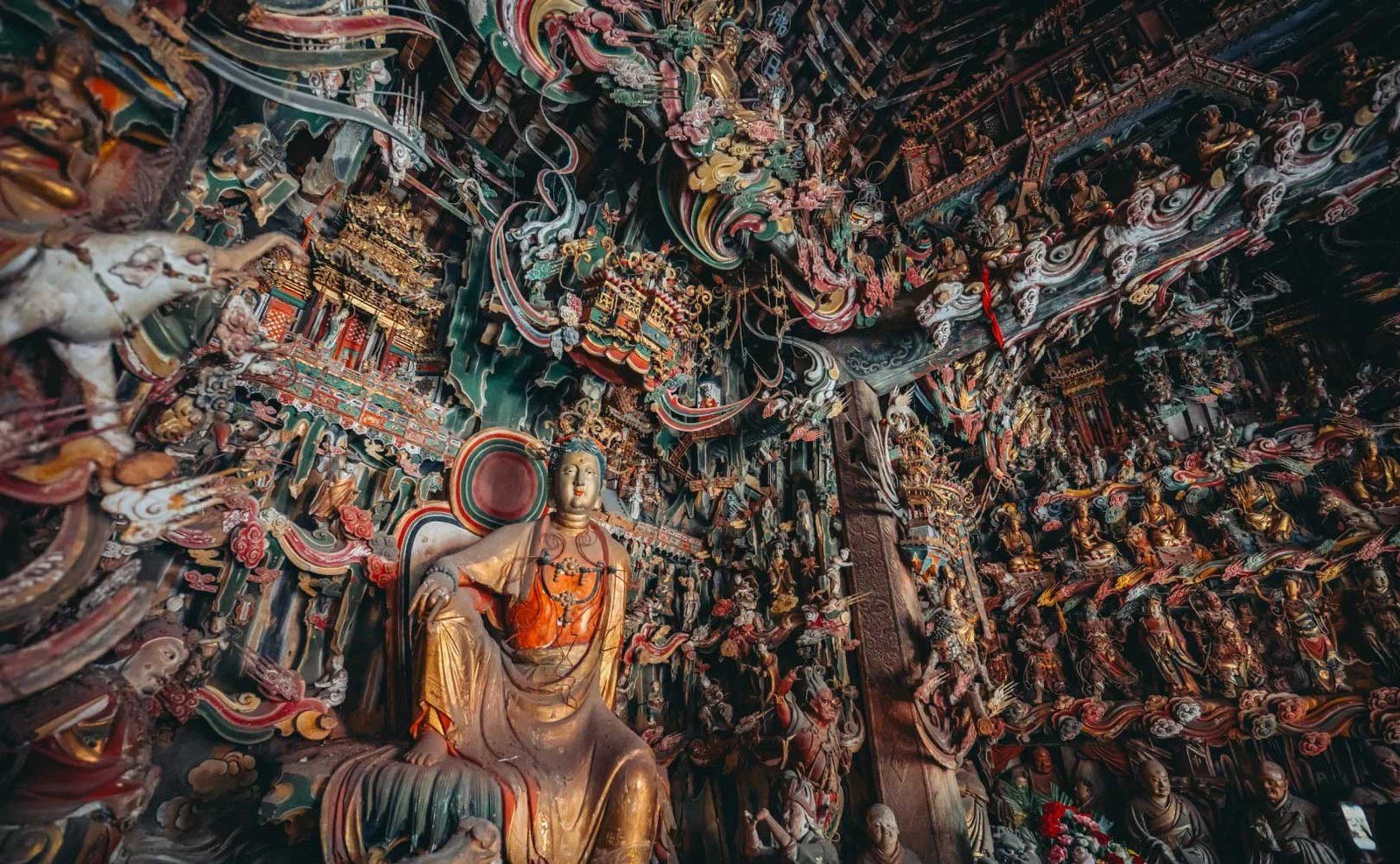
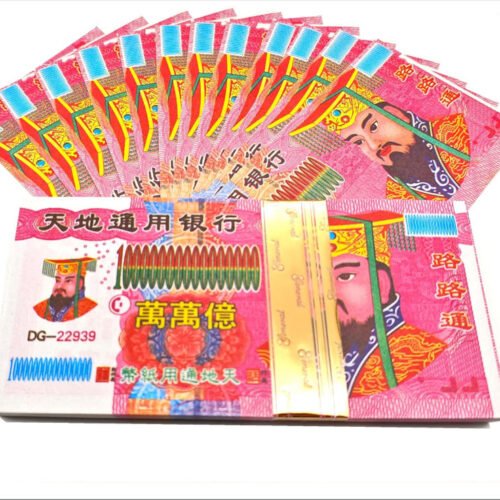
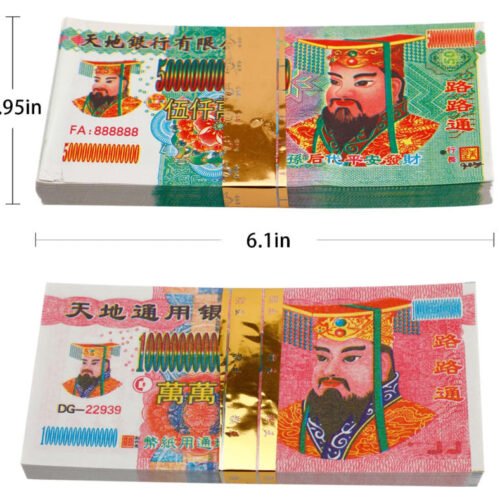
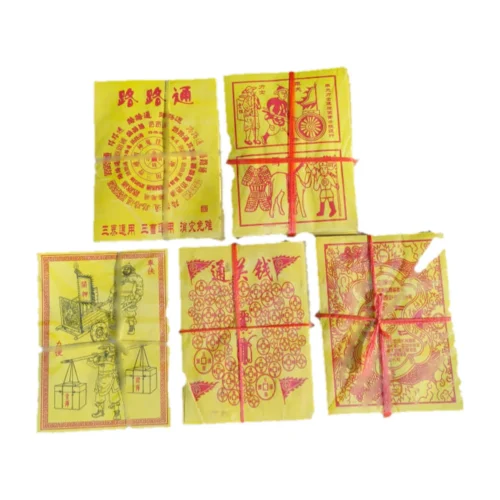
We sell paper money and we burn it for people who cannot get to a temple. That is the whole business. What follows is what it actually involves — the building, the paperwork, the fire, and the parts we are not going to pretend about.
The hall in the photograph above is the one we work in. The sculpture runs from the floor to the ceiling beams — arhats along the bottom row, then tableaux of painted figures above them, then smaller figures packed into the gaps near the roof, hundreds of them, most within arm’s reach of a visitor’s head.
It is old enough that the paint has gone chalky and the gold has worn to the clay underneath. The timber bracket sets under the eaves were never painted at all, and the wood has cracked along the grain in long vertical splits. Nobody restored them. That is not neglect; that is what these buildings are supposed to look like after three or four centuries of hot summers and cold dry winters.
Two things about the place matter for what we sell. It is open on the 1st and the 15th of the lunar month, which is when the brazier is lit and when offerings are accepted. And it is a working temple, not a museum — there is a hinge on the door that gets oiled, a stone floor worn into shallow dips along the path people walk, and ash in the bottom of the burner from the last time.

People assume there is more ceremony than there is. The sequence is short and mostly clerical.
That is the service. The rest of the site is packaging and postage.

This list is here because a lot of sites in this category will not write it down.
Four price points, and the differences are not arbitrary. Everything is in US dollars and nothing is a subscription unless it says so.
| What | Price | What you actually get |
|---|---|---|
| Temple Deposit | $12.94 | One petition and a hundred sheets of ancestor money, burned on the next temple day. Photos of the petition and the fire. |
| Temple Deposit Pro | $33 | The same, plus video rather than stills, and the burn goes on the date you ask for rather than the next open day. |
| Ancestor Bundle | $77 | Deposit, a full pack of notes, a copy of the petition posted to you, and the ash handled separately. |
| Burn Club | $333 / year | Both monthly temple days, every month, for a year. For households that would otherwise forget. |
The $12.94 is close to cost. It covers the paper, the ink, the temple’s fee, and about twenty minutes of somebody’s afternoon. The margin is in the bundles and the annual, which is why we would rather you bought one of those and we are telling you that plainly instead of hiding it in a tier chart.


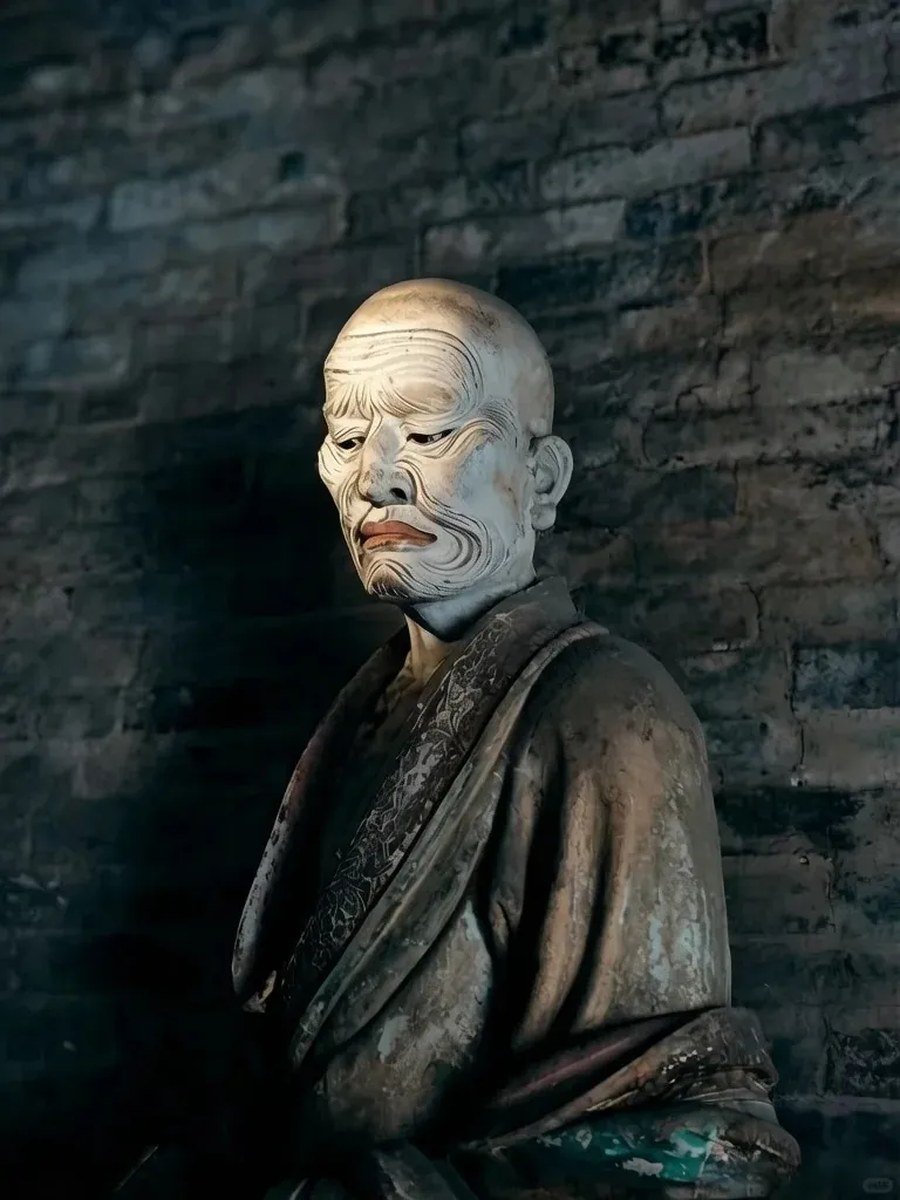
The desk is small. The same people pack the paper, carry it in, and write the guides on this site, which is why the guides contain things like the correct way to cut a waxed binding string and not much about the spiritual meaning of the colour red.
Every article is checked twice before it goes up: once against what actually happens on the temple floor, and once against the printed almanac rules that govern which days are open, which way a burner faces, and whose name goes on a petition. Where the two disagree — and they do, mostly on the 49-day versus 100-day question — we write both down rather than picking the tidier one.
If something on this site is wrong, the email address in the footer reaches a person. That is a low bar and most sites in this category do not clear it.
If you already know the name and the wish, the deposit page takes about two minutes. If you do not know where to start, the prescription form asks six questions and tells you what to burn and when, without charging you for the answer.