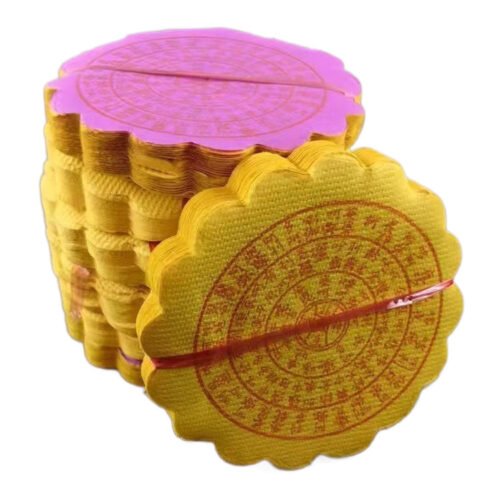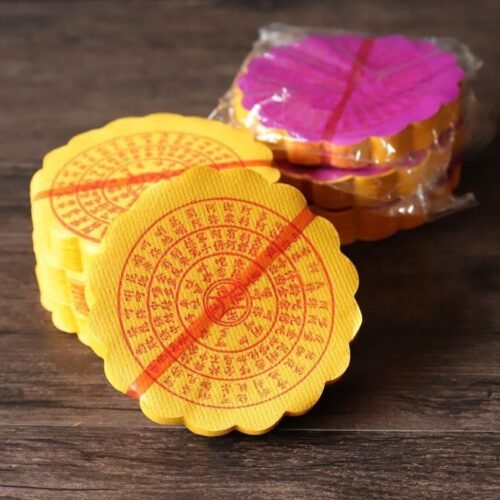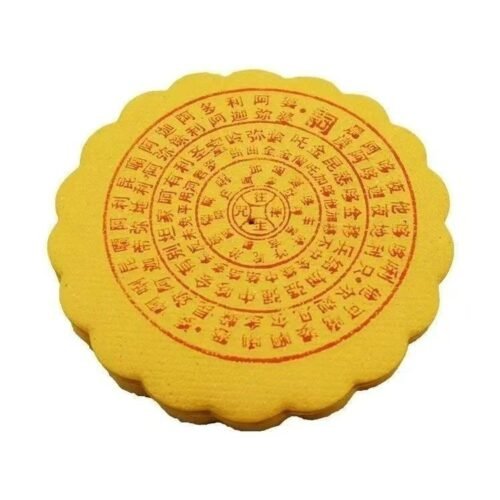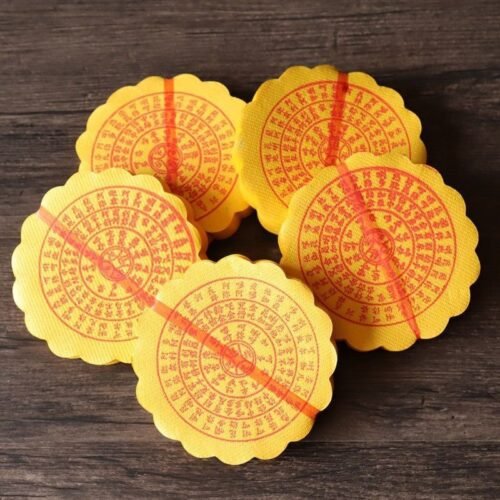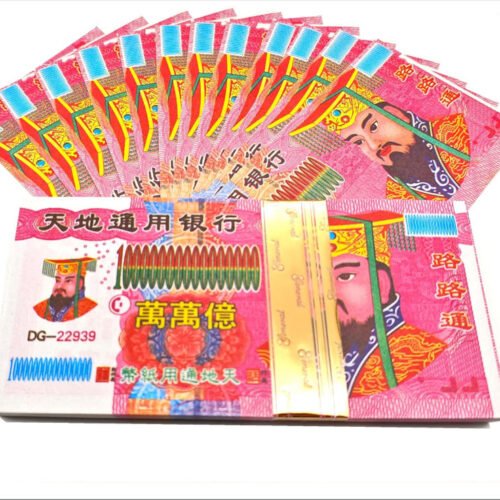
There is no fixed tithe, but folk practice lands on workable numbers: one bundle of 3–5 sheets for a home altar top-up, three bundles on a death anniversary, one pack per grave at Qingming plus a small stranger pile, and a wholesale box for a full funeral passage. Burning too little is not a fault; burning too much is waste and smoke, not sin.
How many packs of joss paper should I burn?
Start with the occasion, because the occasion sets the size of the mailing. These are the quantities we have watched families settle on, in Hebei and in Guangdong, and they agree more often than they differ:
| Occasion | Amount | What it looks like on the ground |
|---|---|---|
| Home altar top-up, first and fifteenth of the month | One bundle, 3–5 sheets of silver | A single handful fed sheet by sheet, finished in under two minutes |
| Death anniversary (the yearly date) | Three bundles | One for the ancestor, one for their household dead, one for the unnamed |
| Qingming at the grave | One pack per grave, plus a stranger pile | Burned at the grave edge, stranger pile downwind |
| Full funeral passage | A box — dozens of bundles, gold and silver both | Gold burned first for the gods, then silver for the dead |
| Weekly temple deposit | What the temple burns in bulk | Names read aloud, one continuous burn in the big basin |
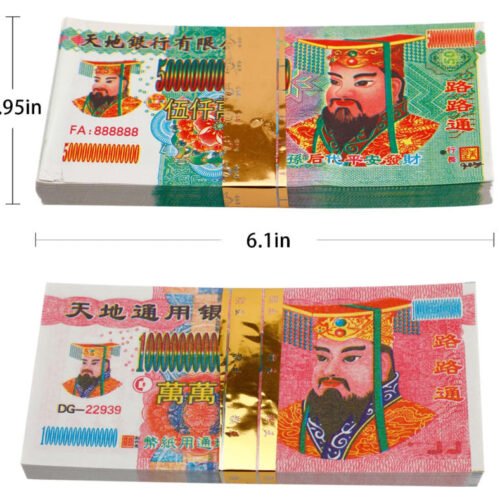
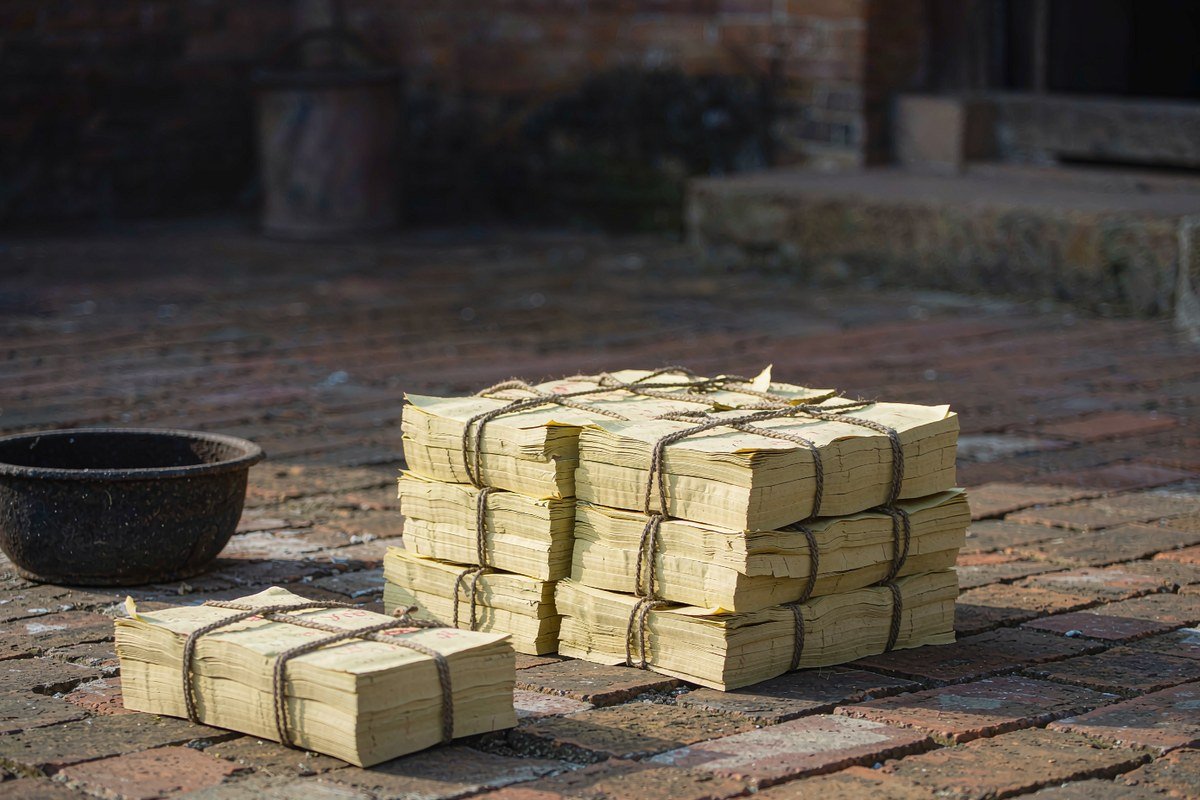
A “bundle” here means what the wholesaler bands: 50 sheets, tied with hemp rope soaked in wax. That rope is why a bundle burns well — it catches first with a soft white puff, then the sheets take one at a time. A 100-bill retail pack is two of those bundles, and it weighs about 180 grams before the sleeve. If you would rather not hunt for a supplier, we sell USD ancestor money in 100-bill packs, 80 gsm bamboo pulp, and the gram weight matters more than the denomination printed on it: flimsier paper smoulders instead of burning clean.
The ratio behind the numbers
The quantities in that table are not arbitrary. They encode a folk ratio that you will hear phrased differently in every county: something for the named dead, and something for the unnamed dead. Your grandfather gets the addressed pile with his name brushed on top. The stranger pile — small, plain, no names — is for the ones with nobody left to burn for them, and it goes at the edge of the yard, downwind, so the smokes do not cross.
Which pile burns first varies. In the two counties we run, practice is roughly half and half: some families burn the strangers first, as a courtesy so they do not crowd the ancestor’s delivery, and some burn them after, so the ancestor is not kept waiting. Nobody we asked treats the difference as doctrine. We write the ancestor’s name in thick brush ink — thin ink dries gray and disappears under firelight — and the slip goes on top of its pile, which is what turns a loose heap into a addressed mailing.
Is it bad to burn too little?
We cannot find any source — almanac rule, temple instruction, or family instruction — that sets a minimum. The worry is common anyway, and it usually shows up the first year after a death, when grief makes every ritual quantity feel like a grade. What the tradition actually polices is direction and address, not volume: gold foil for gods and officials, plain silver for ancestors, separate piles, name on top. Get the routing wrong and the correction is easy; get the volume small and nothing in the record complains. A widow in Hebei we work with burns five sheets on the first and fifteenth and has done it for nineteen years. Five.
If the fear persists, remember what the burn is: a token transfer, not a payment plan. The primer in what ancestor money is actually for covers the four jobs the paper does, and none of them scales with quantity.
Can you burn too much ancestor money?
Not a sin. Just waste, and smoke. The classics said this before any fire marshal did — Mozi’s argument against lavish burial and burning, from the Warring States period, runs roughly: heavy spending on the dead strips the living of cloth, food and labor, and a state that does it grows poor. Paraphrasing, because I do not trust my memory of the line: his complaint in Mozi, “Jie Zang” (Against Extravagant Burial), is that funeral expense should be measured against what the living still need, and that excess buries wealth that could feed people.
We cite a philosophical opponent of lavish burning on a page about how much to burn because he is the honest counterweight. Every seller benefits from bigger burns; Mozi’s two-thousand-year-old objection is why we give occasion-based numbers instead of telling you that more is always better. Practically, over-burning looks like this: a heap dumped all at once, smouldering instead of burning clean, leaving half the sheets unburnt in the middle, and a column of smoke the neighbors can see. Feed it sheet by sheet. Four minutes for a bundle. You have four minutes.
How much paper money for a funeral?
The funeral is the one occasion where the wholesale scale is normal. A full passage burn — the kind that accompanies the coffin or the transfer of remains — is measured in boxes, not bundles. Our wholesale box holds 40 bundles, about 2,000 sheets, mixed gold and silver, and a typical family passage uses half to all of it: gold first, for the gods and officials who process the passage, then silver for the ancestors’ side, then the stranger share. Guangdong families we pack for tend toward the high end; Hebei families toward the low middle. Regional habit, not rule.
The routing question — which sheet goes to which recipient, and why gold and silver are different mail classes — is covered fully in where ancestor money goes, so here we will only say: the box size is negotiable, the separation of piles is not.
Why temples burn in bulk
A temple does not measure by occasion the way a family does. It burns weekly, for a queue of names, and the quantity per name is small — the scale comes from repetition, not from any single lavish deposit. That is also why the temple clerk reads every name aloud before the pile goes in: at bulk scale the written slip is the only thing keeping each mailing addressed to its recipient. Families who cannot get to a temple or a grave send the name and the wish to us and we include them in the weekly burn. The full service, with the pack shipped to you and the petition copy returned, is the Ancestor Bundle — burn, full pack, and petition copy.
Common questions
Do I burn the whole stack?
No. Burn what the occasion calls for — three to five sheets for an altar top-up, a bundle or three on bigger dates. Store the rest dry. Half-burnt leftovers from a smothered fire should be finished next burn, not re-bagged.
How many sheets are in a bundle or a pack?
A wholesaler’s bundle is 50 sheets banded with waxed hemp rope. Our retail pack is 100 bills — two bundles — and weighs about 180 grams before packaging.
What if I burn the wrong amount?
Nothing in the system grades volume. Routing matters — gold up, silver down, stranger pile separate — and routing is easy to fix at the next burn. Amount is a family habit, not a rule.
How long should a burn take?
A 50-sheet bundle takes about four minutes fed sheet by sheet. A wholesale box takes most of an hour and a steady hand, which is one more reason temples do it in bulk.