Liao E is a poem from the Book of Songs, about 2,600 years old, in which a child looks at the grave of a parent and admits that the debt cannot be repaid. It is read at Chinese funerals and memorials. Two of its characters, qu lao — toil, the labour of raising someone — are printed on the white envelopes handed out at those funerals to this day.
What is the Liao E poem?
Liao E sits in the Xiao Ya section of the Shijing, the collection of songs and court poems compiled somewhere around the sixth century BCE. The title is the name of a plant. E is a fragrant Artemisia that people ate; hao and wei are the rank weeds that grow in the same ground and look almost the same until you are close enough to smell them.
The poem opens with a person standing in a field, realising what they have been looking at.
《诗经·小雅·蓼莪》 · Shijing, “Xiao Ya”, poem “Liao E”, c. 6th century BCE
蓼蓼者莪,匪莪伊蒿。哀哀父母,生我劬劳。
Lush and tall, I thought it was e; it is not e, it is hao. Oh, oh my parents, who bore me in toil and raised me in labour.
The move in those first two lines is the whole poem in miniature. You thought the plant was worth something. It is a weed. That is not botany. That is a person standing over a grave deciding that their own life did not turn out to be the thing their parents were cultivating. Everything after it is the bill for that.
What does ai ai fu mu mean?
Ai ai is grief said twice — the reduplication that Chinese uses when a single word will not carry it. Fu mu is father and mother, in that order. Together: oh, oh my parents.
Then qu lao. Qu is effort that wears a person down, lao is work. The pair appears in the poem twice, once in each stanza, and it is the phrase that escaped the poem and got loose in the culture. You will find it printed in gold on the corner of the plain white envelope that money is handed over in at a Chinese funeral. You will find it on the long white cloth hung in the hall, four characters to a line, folded and kept in a cupboard afterwards for years. It is on gravestones. It is the word that gets said when nobody can think of anything else to say to the eldest son.
Most of the people who use it could not tell you which poem it comes from. That is normal. A phrase that has been in use for two and a half thousand years does not need its readers to hold the citation.
| Phrase | Literal sense | Where it still appears |
|---|---|---|
| 劬劳 qu lao | toil that wears you down | corner of the white funeral envelope; on the hanging cloth; on headstones |
| 哀哀 ai ai | grief, doubled | opening of eulogies read in the hall |
| 昊天罔极 hao tian wang ji | the vast sky has no limit — the debt has no end | last line of the poem; used as a set phrase in memorial texts |
| 瓶罄罍耻 ping qing lei chi | the small jar is empty, the big jar is shamed | prose and condolence letters, rarely spoken aloud |
What Chinese poem is read at funerals?
Liao E, more often than any other, and the fact that it is a Confucian classic rather than a Buddhist text surprises people who assume the whole ceremony is religious. It is not read for the dead. It is read for the room — it gives the mourners a script for a thing they have no words for, and it does it without promising anything about where the person went.
The turn that makes it usable comes four stanzas in, when the poem stops describing grief and starts asking questions.
《诗经·小雅·蓼莪》 · Shijing, “Xiao Ya”, poem “Liao E”, c. 6th century BCE
无父何怙?无母何恃?
With no father, what do I lean on? With no mother, what do I rely on?
Hu and shi are both verbs for leaning your weight on something that will hold. The poem’s answer, a few lines later, is that there is nothing left to lean on, and that the debt was never payable in the first place — yu bao zhi de, hao tian wang ji, I wanted to repay that kindness; the sky is too wide to hold the measure of it.
Why this comes up at a burner
Because the petition asks you to write down who you are to the person, and most people freeze at that line.
The slip is small. It wants a name, a relationship, and a wish. The relationship is not a word you can improvise. A deceased father is xian kao; a deceased mother is xian bi; a grandmother on your father’s side is not the same term as one on your mother’s. Writing wang fu, “dead father”, is what you call somebody else’s father in conversation, and putting it on a petition addressed to your own is the single mistake we correct most often, usually at the last minute, with a pen, over the shoulder of someone who is crying.
What the poem does is hand people the register they are missing. It says: this is the vocabulary for standing here, it is old, it is public, and you are allowed to use it even if you are not sure what you believe about the smoke.
We keep a brush and a stick of ink for this. The ink has to be thick. Thin ink looks fine on the paper and then fades in the first second of the flame, so the name is unreadable at exactly the moment it matters, and the family has to be told the burn went ahead anyway. Thick ink survives long enough to be seen going.
What we do, and what we do not
If a family asks, we read the first four lines aloud before the first sheet goes in. That is three sentences and it takes fifteen seconds, and it is the only part of the service that is not practical. We do not charge for it and we do not claim it changes anything. The paper burns at the same rate either way.
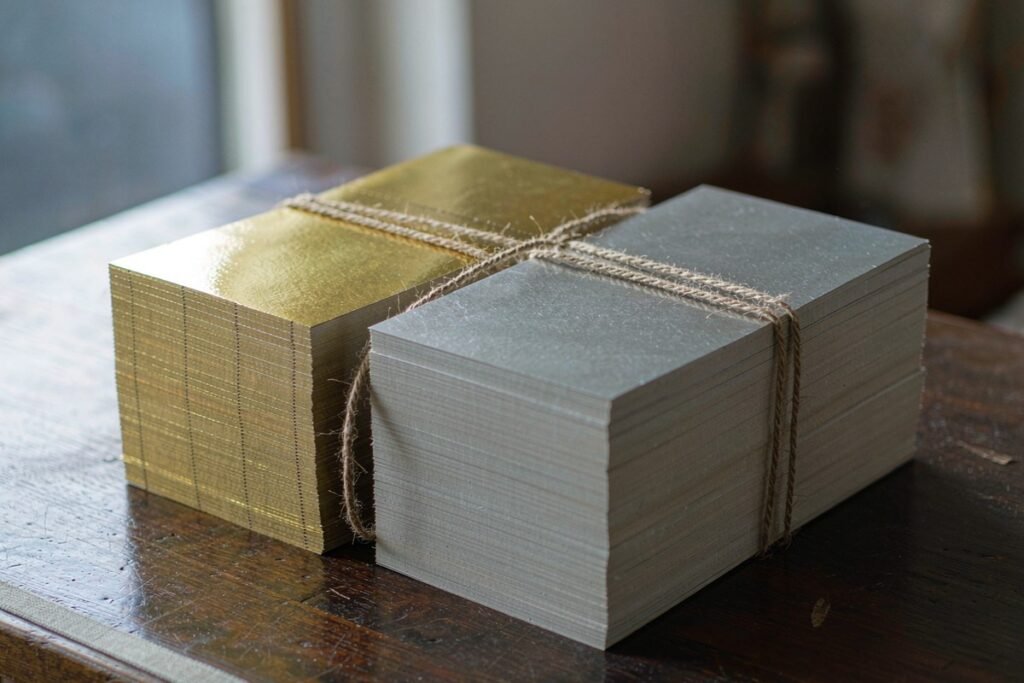
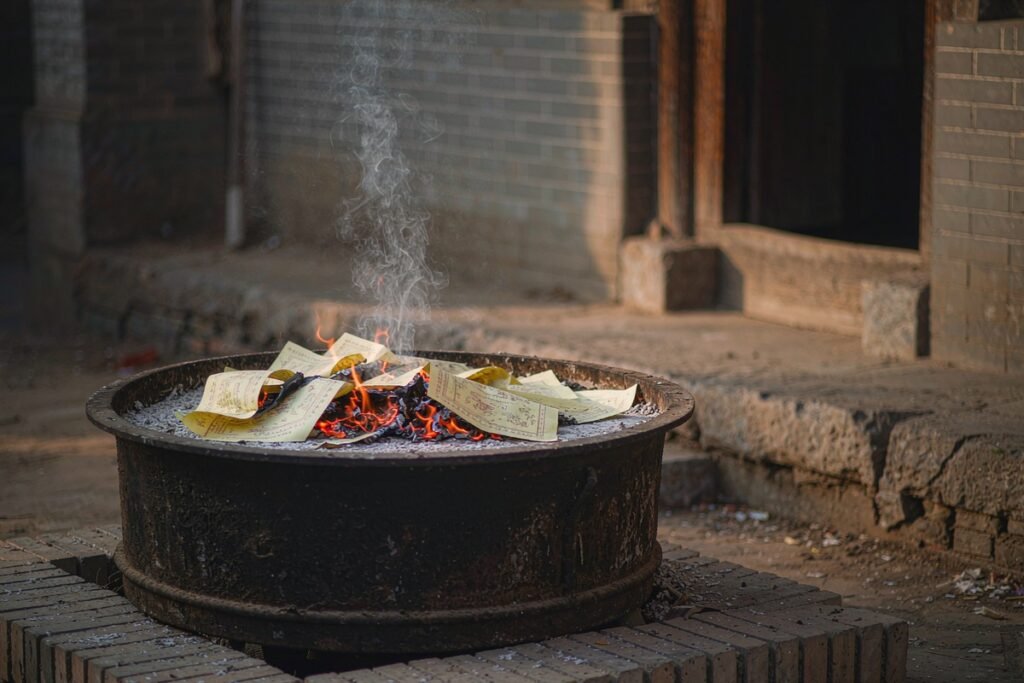
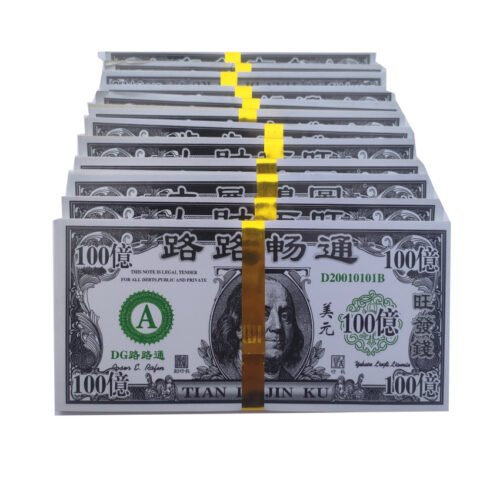
What we will not do is tell you the poem guarantees the money arrives. It does not claim that. It claims that the debt existed and that it cannot be settled, which is a different and more honest thing, and it is the reason people still stand in a courtyard in November with wet eyes and a bundle of paper. Where that paper is actually addressed — why gold goes up and silver goes down, and what the Liji says about each — is covered in burning paper money to heaven.
Common questions
Do you have to be Chinese to read Liao E at a funeral?
No. We have read it for mixed families at the request of a grandchild who found it online and wanted something in the room that was not a pop song. It works better in Chinese, but a plain English reading is not an insult to anyone present.
Is it Buddhist or Taoist?
Neither. It is a Confucian classic that predates both as organised religions in China. That is why it is safe to read in a mixed family: it makes no claim about an afterlife, only about the debt.
How long is the poem?
Six stanzas, under two hundred characters. Reading all of it takes about ninety seconds. Most people read the first stanza and the last four lines.
Can I use the phrase qu lao on a card if I am not Chinese?
People do, and it is generally received well when it is written rather than spoken, because the characters carry the weight without requiring you to pronounce them. Write it, do not say it, unless you have heard someone say it first.
If you are arranging a burn and want the petition written properly — the right relation, the name in ink thick enough to survive the flame — the ancestor bundle includes the burn, the full pack and a copy of the petition for $77. For a single name and a single wish, the $12.94 temple deposit does the same work with a photograph and the ash sent back.
Frequently asked questions
What is the Liao E poem?
Liao E sits in the Book of Songs, about 2,600 years old. A child stands at a parent's grave, looks at the plant they thought they were tending, realises it is a weed, and admits the debt cannot be repaid.
When is the Liao E poem read?
At Chinese funerals and memorial gatherings, still today. It is the poem families reach for when words of their own fail.
Why are white envelopes printed with two characters handed out at funerals?
Those two characters, qu lao — toil, the labour of raising someone — come from the Liao E poem. The envelope connects the mourner to a poem their great-grandparents also stood under.