The repertoire is short and mostly domestic: sweep the house out on a fixed day, change the salt, leave the haircut alone after a funeral, wear your birth-year color, burn paper for the restless dead at a crossroads, and keep renovations out of the year’s affliction direction. Two kinds of acts are in that list — protective habits you just do, and placatory offerings where something changes hands. The second kind is where paper burning belongs.
What do Chinese people do for bad luck?
Here is the working list, rated by how often we still see it done, not by how old it is:
| Practice | What actually happens | Where we still see it | Kind |
|---|---|---|---|
| Year-end sweep | Whole house cleaned before new year; dust carried out, not in | Everywhere; the date differs north and south | Protective |
| Changing the salt | Salt jar emptied, coarse salt bought, old salt out the back door | Cantonese, Hokkien and Taiwan homes | Protective |
| Haircut freeze | No barber until the mourning term after a death ends | Widely; the term differs by county | Protective |
| Wearing the element color | Green, red, yellow, white, black or blue, per birth year | Everywhere, and rising | Protective |
| Crossroads paper | Burn silver paper outdoors at night for the restless dead | Very common around the Ghost Festival | Placatory |
| Affliction direction | No demolition or renovation in the year’s Tai Sui direction | Strong in Fujian, Guangdong, Taiwan | Both, mixed |
The split matters more than the list. Protective habits are housekeeping with a calendar attached — you do them at home, they cost nothing, nobody is being addressed. Placatory acts address someone: the recently dead, the restless dead, the year itself. That is where offerings belong, and it is the category outsiders misread most, because it looks like fear when it is closer to mail.
How do you cleanse bad luck?
The salt-and-rice sweep is the version we have watched most, in Cantonese and Hokkien homes and in our own packing room after a bad week. Order matters:
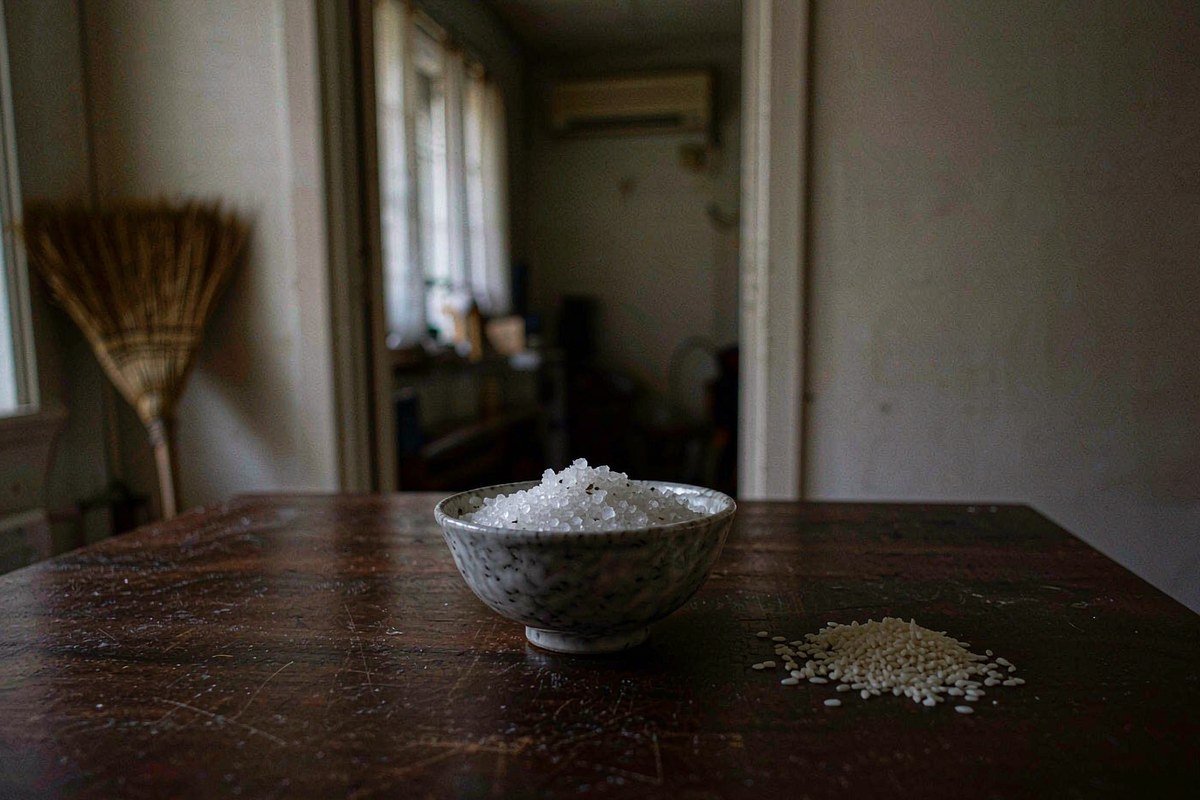
- Buy coarse salt — rock salt, the big-crystal kind. Table salt with anti-caking additives is not what goes in the jar, and old hands can tell the difference by crunch.
- Mix a palm of salt with a handful of uncooked rice.
- Pick the day off the almanac. Days marked po (破, “break”) in the day column are the ones chosen for sweeping bad luck out — a break-day breaks things, and this is the one use nobody minds.
- Start in the room farthest from the door and work toward it. One direction only, no backtracking.
- Carry the old salt and the sweepings out the back door. Front door is for coming and going with the good stuff; the back door takes the trash out of the story.
Some households throw a pinch of the mix into the stove or brazier first. Rice kernels burst in the flame with a snap — that crackle is the receipt people wait for. Physics explains it fine: moisture in the kernel flashes to steam and pops the hull. The households doing it know this and do it anyway, which tells you what the act is actually for.
On the sweep date itself: the year-end version lands on different days depending on which side of the line you grew up on. Cantonese families run — nian nian ba ba — the 28th day of the twelfth lunar month, nian ba ba xi la la; a lot of northern households dust down on the 23rd or 24th, tied to the kitchen god’s departure. Both dates exist, neither is wrong, and we have shipped burns to families who do both.
What is a luck ritual?
《论语·八佽》 · Lunyu (Analects), “Ba Yi”, compiled c. 5th century BCE
祭如在,祭神如神在。
Sacrifice as if present; sacrifice to the spirits as if the spirits were present.
Hold on to the word “as if.” The classic tradition was never dishonest about its own machinery — the line does not say the spirits are present, it says to conduct yourself as if. That is the honest description of every item in the table above, including ours. A luck ritual is a fixed action in a fixed order, done at a fixed time, and its first effect lands on the person doing it: it converts a vague bad feeling into a task with steps. Confucius’s “as if” is the reason we can write that sentence without embarrassment.
The haircut rule nobody explains properly
After a death, the sons of the deceased traditionally do not cut their hair for the mourning term. What the term is depends on where you ask: 49 days in some counties, 100 days in most we deal with, the old three-year rite in a shrinking number of families. We see the output of this rule at the temple every week — families arrive at the 100-day mark with grown-out hair and freshly printed photos. In some towns the barbers simply know; in others you have to say it yourself. Two durations coexist, we cannot tell you which one “applies,” and anyone who answers that question with certainty has never had to book the barber.
Burning paper for the restless
This is the placatory act, and the one with the most fixed choreography. It happens outdoors, after dark, usually at a crossroads — road junctions are where traffic passes, and traffic is the point. The rules people actually follow:
- Draw a circle in chalk or ash around the burn spot, and leave an opening on the side facing the family graves. The circle is an envelope; the opening is the flap.
- Burn a few sheets outside the circle first. That is the toll for strays, so they do not raid the delivery.
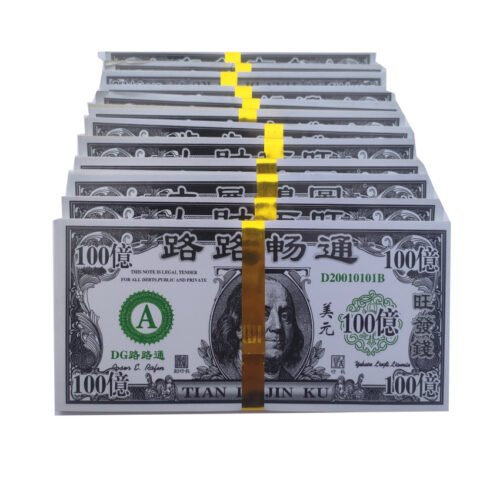
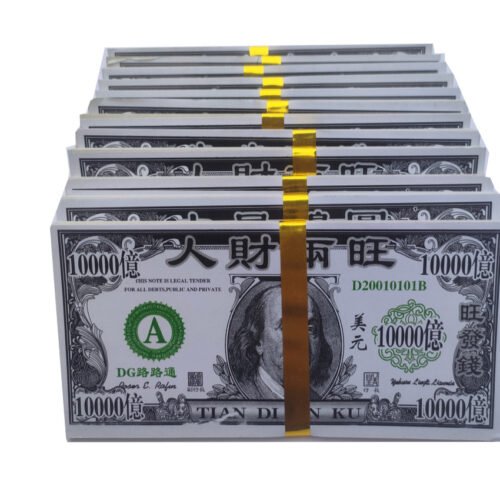
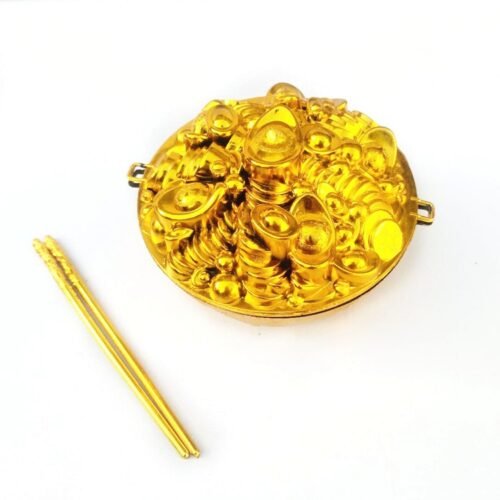
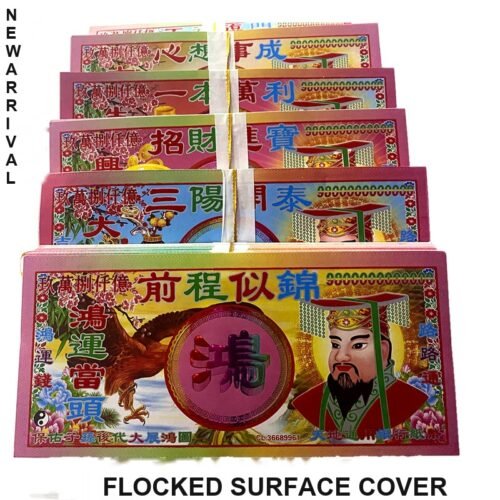
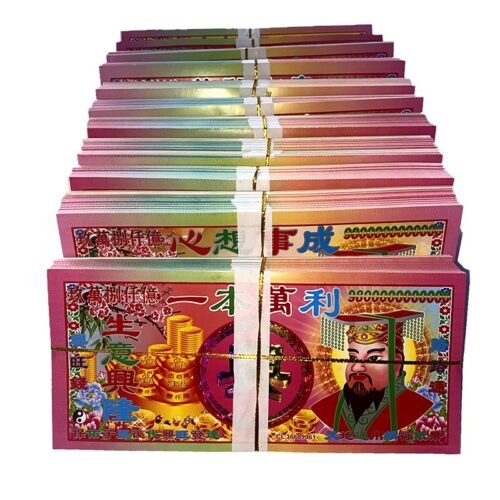
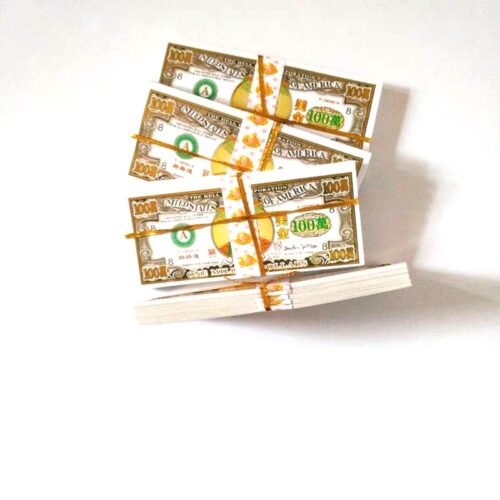
- Silver and white paper goes to the dead. Gold foil goes up — deities, the City God, Heaven. The fire is the carrier; the paper decides the address. The two routes run in parallel and always have.
- Stay until it is burnt out, and by the rule people repeat, do not look back on the walk home.
The heaviest traffic is the Ghost Festival, the fifteenth night of the seventh lunar month, when the restless are understood to be out and about. Families who cannot stand at a crossroads at night — distance, health, apartment rules, open-burn restrictions — send it to us instead: a temple deposit with the family name read aloud and burned, receipt on video. The address work is the same; only the feet are different.
The year’s affliction direction
The last item is architectural. Each year a direction is understood to be occupied — Tai Sui’s seat — and the opposite direction is the year’s clash. 2026 is a bing-wu year: the seat is due south, the clash due north. The folk response is not panic, it is scheduling: demolition, ground-breaking and major renovation in the affected direction get pushed to after the year, or at least get a date chosen around it. Practitioners disagree about which of the two directions is the stricter one — some hold the seat matters more, others the clash — and we have watched a family re-time a kitchen renovation by a week over exactly this. We do not referee it; we note that both readings are printed in the same almanac.
Common questions
When should I actually do any of this?
Three natural triggers: the year-end sweep before new year, the term after a death in the family, and any run of misfortune the household itself flags — that last one is when the salt gets changed and a break-day gets picked off the almanac.
Is burning paper for bad luck the same as burning for ancestors?
Same fire, different address. Ancestor paper is silver or white and goes to your own dead. Gold foil is for deities and goes up. The crossroads burn for restless dead is the third case — strangers, not family — and it is the one done outside the circle.
Do I need a temple or a priest for this?
Not for the protective half — salt, sweeping, hair, colors are all household acts. The placatory half has historically been done by family members themselves, but a temple proxy is a normal arrangement when the family cannot be present.
What is the salt bowl at the shop door about?
A small bowl of coarse salt kept by the entrance and changed regularly — monthly in the Hokkien shops we know. It is the standing version of the salt change: a habit, not an event.
If the birth-year color is the item you want to pin down first, we keep the lookup simple in what is my Chinese element by birth year — and if you would rather wear the element than remember it, we sell a hand-painted five elements talisman, ink on yellow paper.