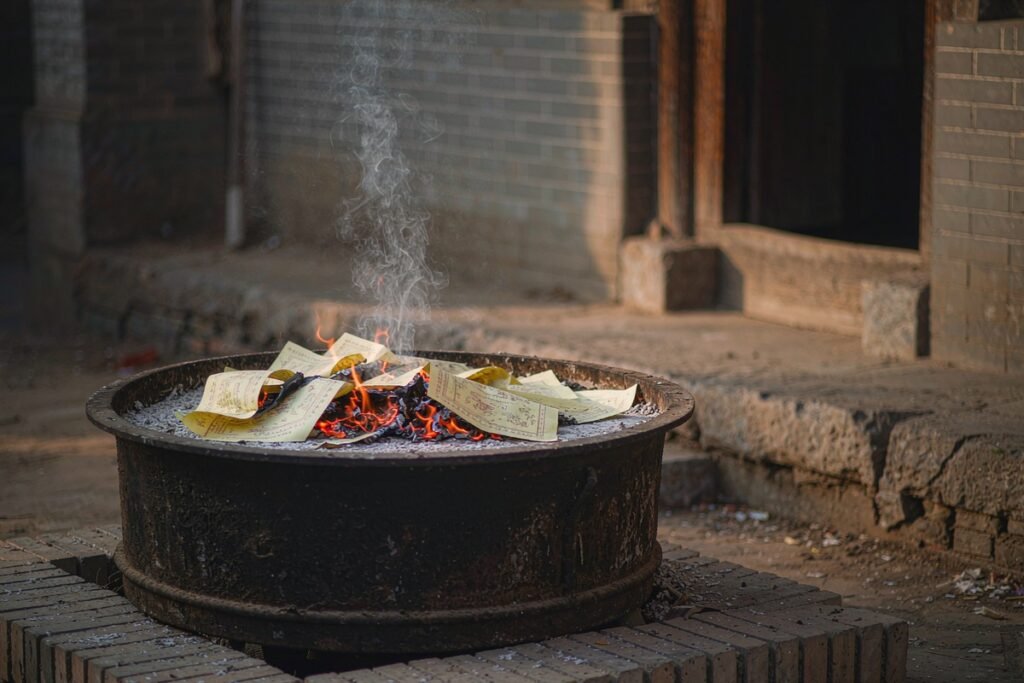
Yes — ancestor money and hell money are the same paper. “Hell money” is an English label invented by nineteenth-century foreign observers for 冥币 mingbi, “currency of the dark realm.” The Chinese term never mentions hell, because the Chinese underworld was never imagined as a Christian one. Same product, one sheet, four names depending on who is selling it.
Is hell money the same as ancestor money?
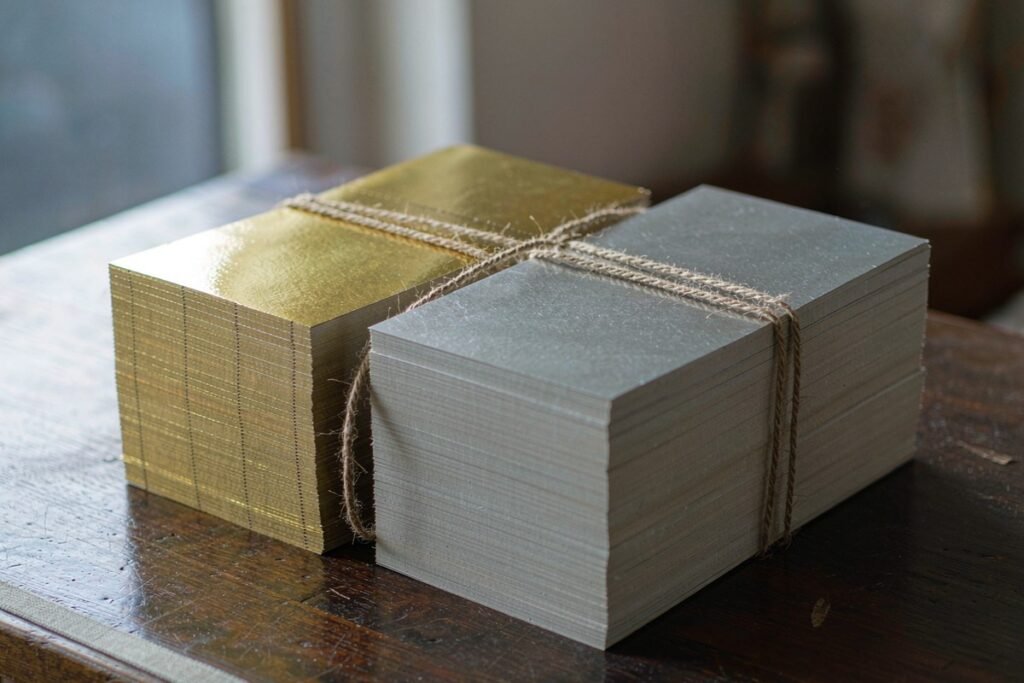
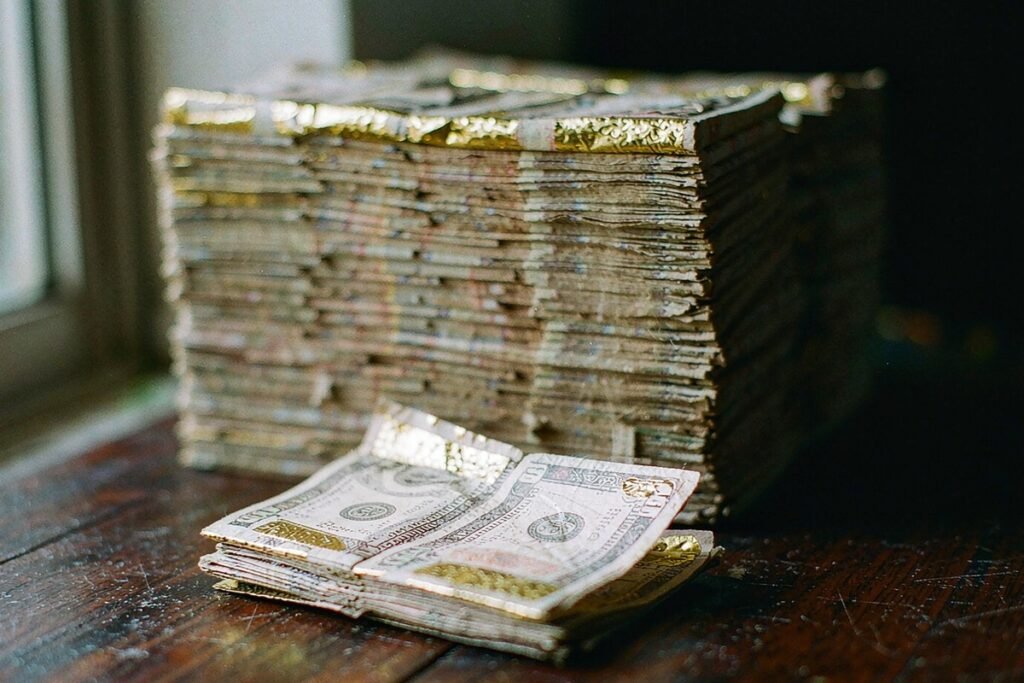
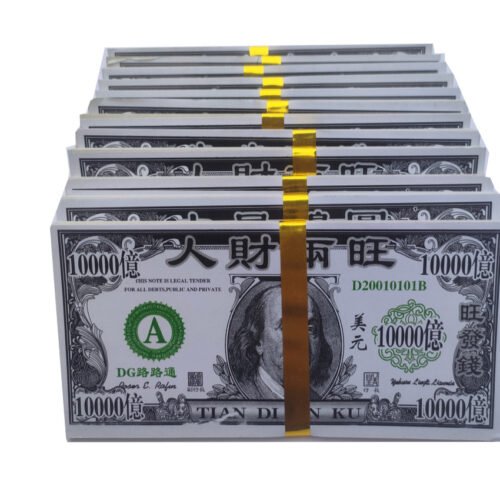
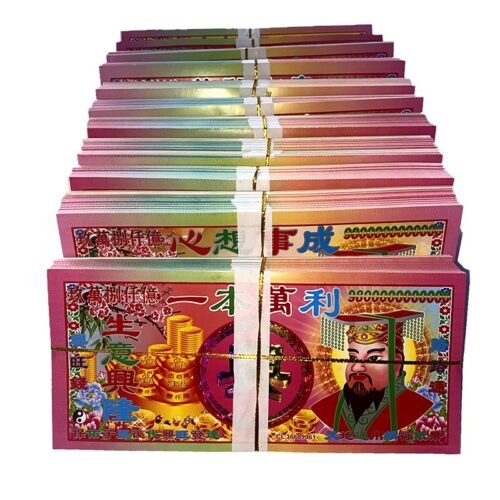
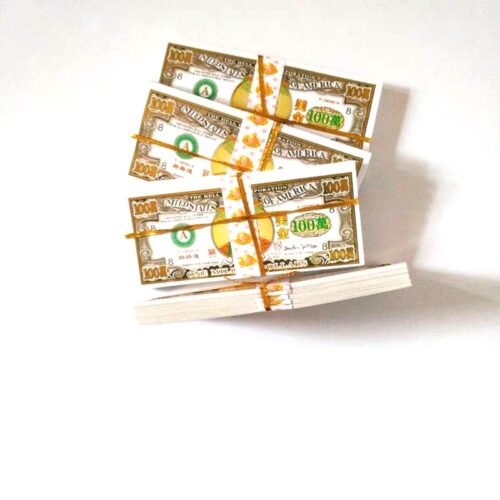
At the product level the two names are interchangeable. Search “ancestor money” and “hell money” and you land on packs printed the same way: denomination numbers in the corners, a bank name across the top, foil or plain, 80 gsm bamboo pulp. We know because we sell the same sheets under the first name and answer questions under the second. A pack of USD ancestor money in 100-bill packs is exactly what a buyer in Kuala Lumpur would call hell notes.
The split is in the search box, not in the paper. American buyers type “ancestor money.” Buyers in Malaysia, Singapore and Hong Kong type “hell money,” because that is the English that was printed on the notes they grew up seeing. Vietnamese families use the English label too, and their own word, tiền âm phủ, means something closer to “underworld-office money” — an office, not a courtroom. The label you search for says more about which coast your grandparents left than about the goods.
Why is it called hell money?
The honest version: nineteenth-century observers of Chinese funerals needed a one-word English gloss for ming, and they reached for “hell.” It was a bad gloss. Ming means dark, dim, the obscured realm where the dead reside — an administrative district, not a sentence. The word Chinese tradition actually uses for the destination of the dead is the Yellow Springs, and that word began as geology, not theology:
《左传·隐公元年》 · Zuozhuan, Duke Yin, 1st year, compiled c. 4th century BCE
不及黄泉,无相见也。
We shall not meet again until we reach the Yellow Springs.
The speaker means: not in this life — only down there, where groundwater seeps, will we meet. The Yellow Springs named a depth before they ever named a destination, and the word carries no judgment at all. “Hell,” by contrast, imports a whole theology of damnation that the original practice never had. That gap between the label and the thing is why the phrase stuck so well and explained so little. It did not help that “hell money” was shocking, memorable, and free — no family ever petitioned to rename it.
As for how old the practice behind the label is, the earliest clear written record we know of is from the Kaiyuan era, the 730s, when a court official named Wang Yu was recorded burning paper money during rites to ward off illness. Paraphrasing, because I do not trust my memory of the line: the Fengshi Wenjian Ji says he used paper money in petition rites, and the context was healing and averting trouble, not a funeral. That context matters — it shows the paper was never only a death-good.
What the words actually say, by language
| Term | Where | Literal meaning |
|---|---|---|
| mingbi 冥币 | Mandarin | currency of the dark realm |
| zhiqian 纸钱 | Mandarin, literary | paper money |
| kim zua 金纸 | Hokkien (Southeast Asia) | gold paper — for gods, not ancestors |
| tiền âm phủ | Vietnam | underworld-office money |
| joss paper | English | from Portuguese deus, via Malay — “god paper” |
| hell money / hell notes | English, 19th century onward | a mistranslation that outcompeted the others |
Notice what the table shows: four of the six names contain no judgment whatsoever. Two are neutral currencies, one is a government office, one is literally just “paper money.” Only the English one imported a punishment. And “joss paper,” the other English survivor, points upward — it entered the language through church vocabulary for gods, which is why antique dealers still call a temple incense coil a “joss stick.”
Is the term hell money offensive?
Opinions split, and we have heard both sides at close range. Some families could not care less — for them the English label is the family label, printed on packs their grandparents bought in Penang or Bangkok, and correcting it feels like someone polishing their own heirlooms. Others object on precise grounds: “hell” tells their children the paper is for the damned, which is neither what they burn nor what they believe. Both reactions are genuine. We are not going to referee a vocabulary dispute that Chinese communities themselves have not settled.
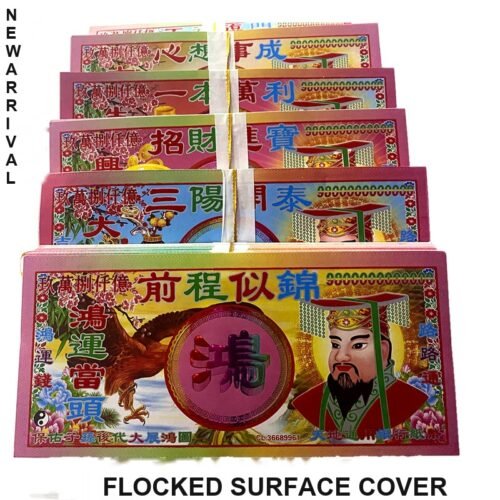
What we do on this site is use both terms, correct the record once, and move on. The correction is one sentence: the destination named in the tradition is the Yellow Springs, a depth, and the paper addressed downward to ancestors is silver and matte, while gold foil goes upward to gods — the routing is explained fully in our article on where ancestor money goes after you burn it. Nobody is damned. Somebody is supposed to be paid, or thanked, or remembered.
Why the English label stuck to the packaging
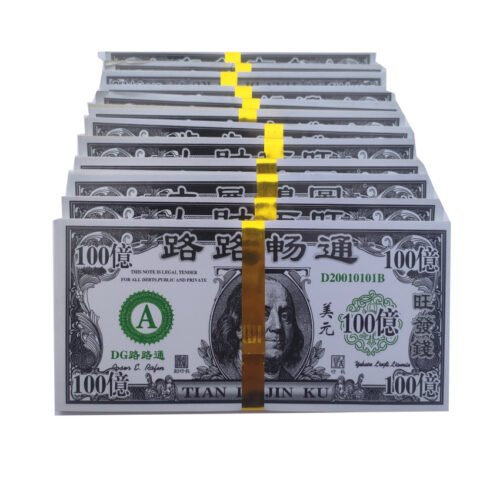
Vocabulary alone does not explain a century of “HELL BANK NOTE” overprints. Packaging does. Export printers in Hong Kong and later mainland factories stamped the English words directly on the notes, in serif capitals, because export buyers expected them. The famous oversized notes — the denomination everybody photographs, with a large face in the center — carried the English overprint into every Chinatown shop from Toronto to Sydney. The label became packaging, and packaging becomes the word. It is the same reason English speakers say “Chinese checkers” for a game invented in Germany.
There is a practical consequence for buyers, and we would rather state it than dance around it: the search volume is split, so the prices and the products are identical under either term. When you compare packs across sellers, check the same three things no matter which word the listing uses: gram weight (80 gsm is the workable standard; flimsier paper smoulders), whether the foil is laminated or printed (laminated curls and blisters before the sheet catches, printed just browns), and how the stack is banded (ours ships in two bands of 50, and a 100-bill pack weighs about 180 grams before the sleeve). The mechanics of what the burning is actually for are laid out in our primer on ancestor money, so we will not repeat them here.
Common questions
Do Chinese people say “hell money” in Chinese?
No. The Chinese terms are mingbi (dark-realm currency), zhiqian (paper money), or regionally gold paper and silver paper. “Hell” appears only in English overprints made for export.
Which name should I use when I search or ask for it?
Use whichever term your family uses — sellers in every English-speaking market index both. If you are buying for gods rather than ancestors, ask specifically for gold paper, because the two mail classes are different products.
Is the big denomination note with the portrait real currency?
It is not currency in any sense, and neither is the rest. Every name for it — ancestor money included — refers to a token that only becomes an offering when it is burned. Nobody has ever deposited one at a bank.
Why did translators pick “hell” if it was wrong?
They needed a short, vivid gloss for mingbi in the 1800s, and “hell” was the closest familiar word for a realm of the dead. The mistranslation was memorable, so it survived; the accurate glosses — dark-realm currency, underworld-office money — did not stand a chance in English.
If you want the sheets without hunting a supplier, we sell USD ancestor money in 100-bill packs — 80 gsm bamboo pulp, foil-laminated on one side, banded in fifties, shipped from the United States.
Frequently asked questions
Is hell money the same as ancestor money?
Yes. Ancestor money, hell money, spirit money and joss paper all describe the same object: sheets printed as currency and burned for the dead. One sheet, four names.
What does mingbi mean?
Mingbi (冥币) means currency of the dark realm — the Chinese term for the paper burned for the dead. It never mentions hell, because the Chinese underworld was never imagined as a Christian one.
Which name should I use when buying?
Any of them gets you the same paper. "Ancestor money" is the phrase English-language search adopted; "hell bank notes" is the oldest English label, a nineteenth-century mistranslation.